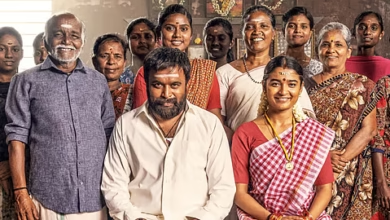
The Bengali film Maayabimbum (2019) continues to draw attention among regional cinema audiences for its layered storytelling, grounded performances, and subtle social commentary. Directed by Indrasis Acharya, the film presents a deeply human narrative that explores aging, loneliness, dignity, and the fragile relationships that define urban middle-class life in contemporary Kolkata. While it did not arrive with commercial hype, the film has steadily built a reputation through word of mouth, festival circuits, and digital rediscovery. iBOMMA
Maayabimbum (2019) Movie Overview
| Category | Details |
|---|---|
| Movie Name | Maayabimbum |
| Release Year | 2019 |
| Director | Indrasis Acharya |
| Main Cast | Prasenjit Chatterjee, Ritwick Chakraborty, Srabanti Chatterjee |
| Language | Bengali |
| Genre | Drama |
| Setting | Kolkata, India |
| Theme | Aging, loneliness, social neglect, family dynamics |
A Story Rooted in Emotional Reality and Social Observation
Maayabimbum unfolds through the life of an aging man navigating isolation in a rapidly changing urban environment. The narrative captures how relationships evolve with time, particularly when emotional support begins to fade. The film does not rush its storytelling. Instead, it builds gradually, allowing viewers to absorb the protagonist’s internal struggles and everyday experiences.
Director Indrasis Acharya constructs a world that feels authentic and lived-in. He focuses on ordinary moments rather than dramatic plot twists. As a result, the film resonates strongly with audiences who appreciate realism and character-driven cinema. The screenplay carefully balances introspection with subtle tension, ensuring that the story remains engaging throughout.
Performances That Anchor the Narrative
Prasenjit Chatterjee delivers one of his most restrained and mature performances in Maayabimbum. He steps away from his larger-than-life screen persona and embraces a character defined by vulnerability and quiet resilience. His portrayal feels deeply personal, and his expressions often communicate more than dialogues.
Ritwick Chakraborty adds depth to the narrative with a nuanced performance that complements the central character’s journey. Meanwhile, Srabanti Chatterjee brings emotional balance to the story, offering moments of warmth and contrast. Together, the cast creates a believable ecosystem of relationships that feel natural rather than staged.
Direction and Screenplay: A Study in Subtle Storytelling
Indrasis Acharya’s direction stands out for its understated approach. He avoids melodrama and instead relies on silence, pauses, and visual cues to convey meaning. This choice enhances the emotional impact of the film, making it more immersive.
The screenplay maintains a steady pace, allowing each scene to breathe. Furthermore, transitions between sequences feel seamless, which keeps the narrative flow intact. Acharya pays close attention to detail, whether it is the setting, character interactions, or background elements. Consequently, the film achieves a sense of realism that remains consistent from start to finish.
Visual Language and Atmosphere
The cinematography plays a crucial role in shaping the mood of Maayabimbum. The film uses Kolkata not just as a backdrop but as an active presence within the story. Narrow lanes, old apartments, and everyday city life contribute to the film’s authenticity.
Lighting and framing further enhance the emotional tone. Soft, muted visuals reflect the protagonist’s inner world, while carefully composed shots emphasize isolation and distance. This visual consistency strengthens the storytelling and adds depth to the narrative experience.
Themes That Reflect Contemporary Society
Maayabimbum explores themes that remain highly relevant in today’s society. The film examines how aging individuals often face neglect, even within their own families. It also highlights the emotional gaps that arise in urban lifestyles, where busy routines leave little room for meaningful connections.
Additionally, the film addresses the idea of dignity in old age. It questions how society values its elderly population and whether emotional care receives the attention it deserves. These themes resonate strongly, especially among viewers who relate to similar experiences in real life.
Critical Reception and Continued Relevance
Upon its release in 2019, Maayabimbum received positive responses from critics who praised its performances and storytelling approach. While it did not dominate the commercial box office, it gained appreciation in film circles and among audiences who prefer meaningful cinema.
Over time, the film has found renewed interest through digital platforms and discussions around regional storytelling. Viewers continue to discover it, often highlighting its emotional depth and realism. This ongoing engagement reflects the film’s lasting impact and relevance.
Why Maayabimbum Stands Out in Bengali Cinema
Bengali cinema has a long tradition of producing thoughtful and socially aware films. Maayabimbum fits well within this legacy while also offering a contemporary perspective. It does not rely on conventional storytelling techniques or commercial formulas. Instead, it focuses on authenticity and emotional truth.
The film’s strength lies in its simplicity. It tells a story that feels familiar yet deeply affecting. By doing so, it creates a connection with viewers that goes beyond entertainment. It encourages reflection and empathy, which makes it stand out among recent releases.
Growing Interest Among New Audiences
In recent years, audiences have shown increasing interest in regional films that offer unique narratives. Maayabimbum benefits from this shift, as viewers actively seek content that goes beyond mainstream cinema. Streaming platforms and online discussions have played a significant role in bringing such films to a wider audience.
As a result, Maayabimbum continues to attract attention even years after its release. Its themes remain relevant, and its storytelling style appeals to viewers looking for meaningful cinema experiences. This steady rediscovery highlights the film’s enduring appeal and importance within the landscape of Indian regional cinema.